
Non-Invasive Leak Detection in Round Rock, TX
Non-invasive leak detection is the discipline of locating a leak without damaging any surface to do it. The surface opens for repair, not for searching. That is a different job, and the instruments that make it possible have transformed how leak investigations work.
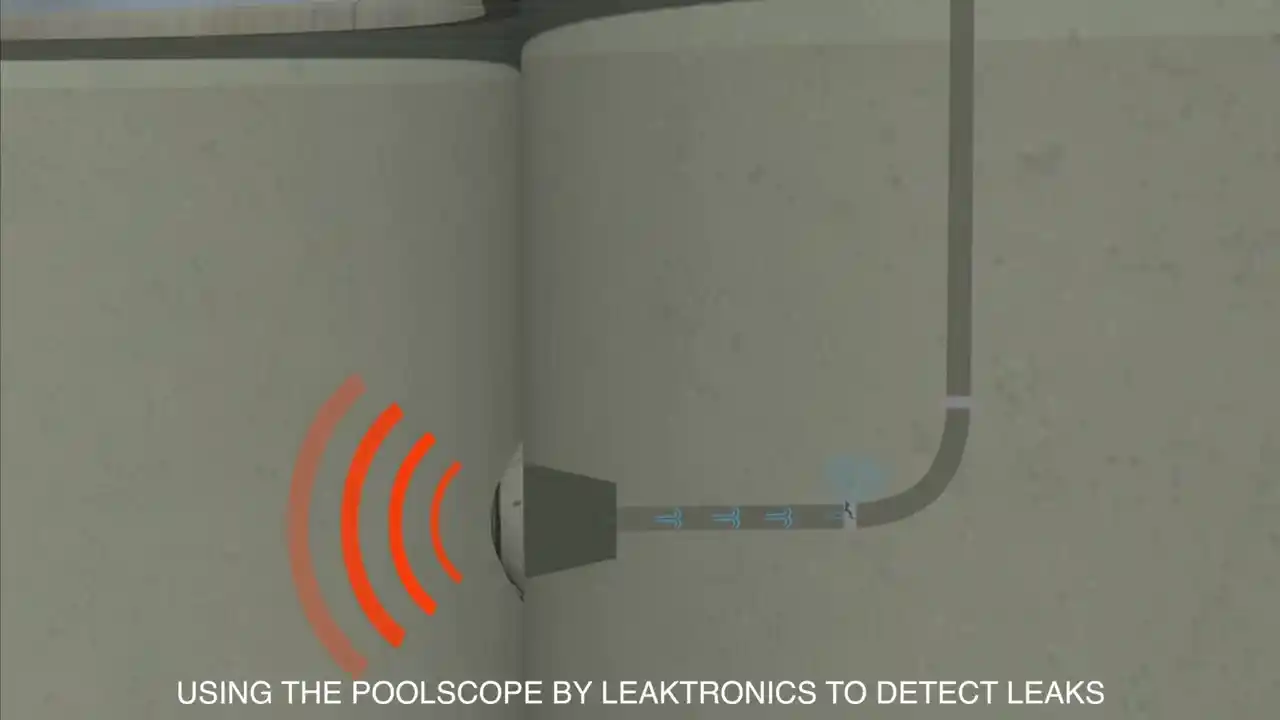
What non-invasive means in practice
An invasive leak investigation opens walls, breaks concrete, and lifts flooring to search for the pipe until the leak is found. A non-invasive investigation uses instruments to find the pipe, follow its path, and confirm the leak location while every surface remains intact. Then the opening goes in at exactly the right spot, sized to the repair rather than the search. Non-invasive does not mean the surface is never opened; it means the opening is deliberate and minimal rather than exploratory.
The distinction matters most in homes with finished surfaces that are expensive to restore: tiled bathrooms, hardwood floors, plaster walls, decorative concrete slabs.
The methods that make it possible
Several instruments contribute to a non-invasive investigation. Ground acoustic microphones and correlators follow vibration through soil and concrete to a peak above the leak. Thermal imaging cameras read the temperature contrast a wet area leaves on a wall or ceiling surface. Ultrasonic contact probes detect the high-frequency turbulence of a pressurized leak through a drywall or tile surface. Tracer gas and helium, injected into the isolated pipe, rise to a surface detector above the breach. Each method operates without any physical intrusion into the structure.
To discuss a suspected leak and which approach fits your home, call (512) 737-6168 and we can assess the situation before anything happens to the surface.
When non-invasive is the only sensible approach
Several situations make a non-invasive approach not just preferable but essential. A finished tile floor over a slab costs far more to restore than the pipe repair itself, so opening it without confirmation first is a poor trade. A load-bearing wall should not be opened in multiple places speculatively. A newly remodeled space where the finishes are fresh makes any unnecessary cut a direct financial loss. In all these cases, confirming the location before the first cut is the only approach that makes financial and practical sense.
What we confirm before opening anything
A complete non-invasive investigation confirms: which pipe is losing water, where that pipe runs in the structure, and the specific location of the breach within a few inches. That is three separate pieces of information, and each one adds to the precision of the repair plan. The meter test confirms a pressurized leak. Pipe tracing maps the run. The acoustic, helium, or thermal confirm narrows it to the spot. With all three, the opening is planned with confidence, and the repair is made without the investigative phase bleeding into the restoration.
The test that tells you what you are dealing with
Most homeowners call us because something is already wrong: a high bill, a ceiling stain, a soft floor, a meter that will not stop. The right first step in every case is a non-invasive assessment that confirms whether there is a leak, where it is, and what accessing it will involve. That assessment costs a fraction of exploratory demo and produces a clear plan rather than an estimate based on uncertainty. Round Rock homes across every era have supply lines that eventually fail; what varies is how much of the home has to come apart to fix one. Call (512) 737-6168 for a non-invasive assessment before anything opens.
Not sure what you are dealing with? Talk it through.
📞 (512) 737-6168Frequently Asked Questions
Does non-invasive mean you never open the wall or floor?
No. It means we locate first so the opening is for repair, not for searching. The surface opens exactly where it needs to, sized to the repair rather than the investigation.
What if the non-invasive methods cannot find the leak?
If standard instruments do not confirm a location, we switch methods rather than opening exploratively. Helium detection, tracer gas, or a sonar profile can resolve cases where acoustic and thermal alone are inconclusive.
Is non-invasive detection more expensive than just opening the wall?
Usually not when total cost is considered. Opening speculatively means multiple cuts, multiple patches, and restoration costs that add up faster than the detection visit. Knowing the location first almost always reduces total cost.
Related leak services
Ground microphones follow the vibration of escaping water to the source.
View → Thermal Imaging DetectionAn infrared camera reads temperature differences to find wet areas behind surfaces.
View → Pinpoint DetectionInch-accurate final location before the core or cut goes in.
View →Browse all 54 services Areas we cover · Leak guides on the blog