
Slab Leak Detection and Repair in Round Rock, TX
Round Rock homes sit on slab-on-grade foundations, so a supply line that fails runs water under concrete where you cannot see it. We find the spot and fix it with the least floor disturbance possible.
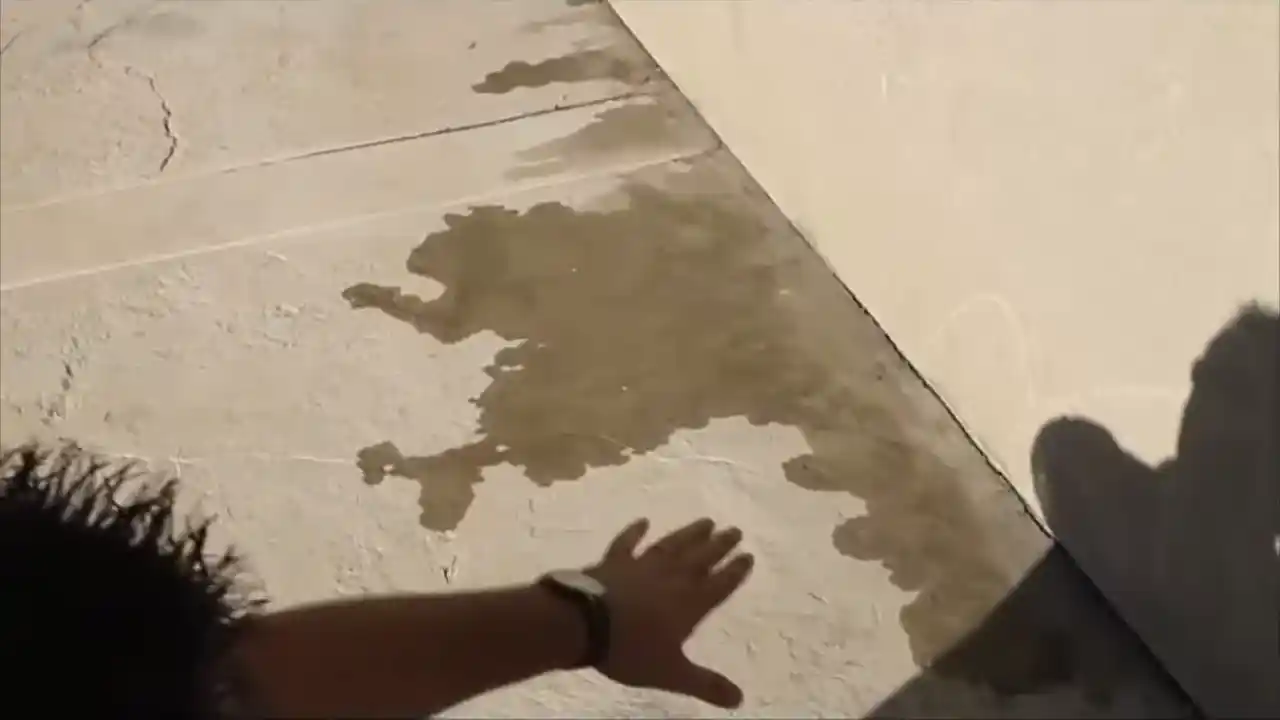
How a slab leak shows up
The first clue is rarely a puddle. It is a water bill that climbed for no reason, a patch of floor that feels warm under bare feet, or the sound of running water when every tap is off. Some people notice a spot of buckled flooring or a thin line of moisture at the base of a wall. In a Forest Creek home with original copper, the warm-floor sign is common, because the leak usually sits on the hot side.
A slab leak does not fix itself. Water under the slab finds the easiest path, and over weeks it can soften the soil that supports the foundation. Catching it early keeps a focused repair from turning into a flooring and foundation problem. If any of those signs sound familiar, call (512) 737-6168 and tell us what you are seeing.
Finding the leak under the concrete
We locate before we open anything. Acoustic equipment listens for the high hiss a pressurized line makes as water escapes under the slab. Thermal imaging reads the warm trail a hot-water leak leaves across the floor. When the picture needs confirming, we isolate the line and run a pressure test, then trace the run electronically to mark the exact point.
That order matters more in Round Rock than in many places. Homes on the west side sit over Hill Country limestone, and water can travel along the rock and surface several feet from the actual break. Chasing the damp spot alone would put the access hole in the wrong place. We follow the pipe to the source instead.
Repair options once we find it
How we fix it depends on the pipe, its age, and where the break sits. A single failure in otherwise sound copper often calls for a spot repair. We open one access point, replace the bad section, and close it back up. When a line has already leaked more than once, a reroute makes more sense. We abandon the failed run under the slab and route fresh pipe through the wall or attic, which avoids breaking more concrete.
For older homes near Old Settlers Park, where the original copper is reaching the end of its service life, a partial or whole repipe can be the honest answer. We walk you through the choice, the cost of each path, and what it means for your floors before any concrete is touched.
Why Round Rock slabs leak in the first place
Two local forces stack up. The water is hard, around 15.2 grains per gallon since the city moved to Lake Travis supply through BCRUA in 2020. That mineral load scales and pits copper from the inside. The ground adds the second push. Expansive clay on the east side swells and shrinks with the weather, and that movement strains the rigid lines cast into the slab until a joint or a pitted spot gives way.
Homes built in the 1980s and 1990s are the ones we see most for this. Their copper has had thirty to forty years of hard Texas water, which is right in the window where slab leaks start to appear.
What to expect when we arrive
A slab leak visit follows a clear order. We talk through the symptoms, check the meter, and confirm the system is losing water on the pressurized side. Then we locate the leak with acoustic and thermal tools and mark the spot on the floor. You hear exactly what we found and which repair fits before anything is opened.
With your go-ahead, we make the one access point we need and complete the repair, whether that is a section replacement or a reroute. We protect the surrounding flooring while we work and clean up the area when we finish. For a leak that is actively running and soaking the slab, do not wait on it. Call (512) 737-6168 and we can get a crew moving any hour of the day.
Not sure what you are dealing with? Talk it through.
📞 (512) 737-6168Frequently Asked Questions
Will you have to jackhammer my whole floor?
No. We locate the leak first, then open only the access point we need. Many repairs are a single small opening, and a reroute can avoid breaking concrete at all.
How do I know it is a slab leak and not something else?
A warm spot on the floor, a meter that moves with everything off, and an unexplained bill together point at the slab. We confirm it with acoustic and pressure testing before any work starts.
Is a reroute better than a spot repair?
It depends on the pipe. One failure in good copper usually means a spot repair. Repeat failures, or aging copper across the home, often make a reroute the longer-lasting fix.
Related leak services
Telling a slab leak apart from clay-driven foundation movement.
View → PinholeHard-water pitting in copper, common in 1980s and 1990s homes.
View → PlumbingA whole-home starting point when the source is not obvious.
View → Water MeterMeter-based diagnosis before we dispatch.
View →Browse all 54 services Areas we cover · Leak guides on the blog