
Pool Leak Detection and Repair in Round Rock, TX
In a Round Rock summer a pool can drop water fast through plain evaporation, which makes a real leak easy to miss or easy to imagine. The first step is proving which one you have.
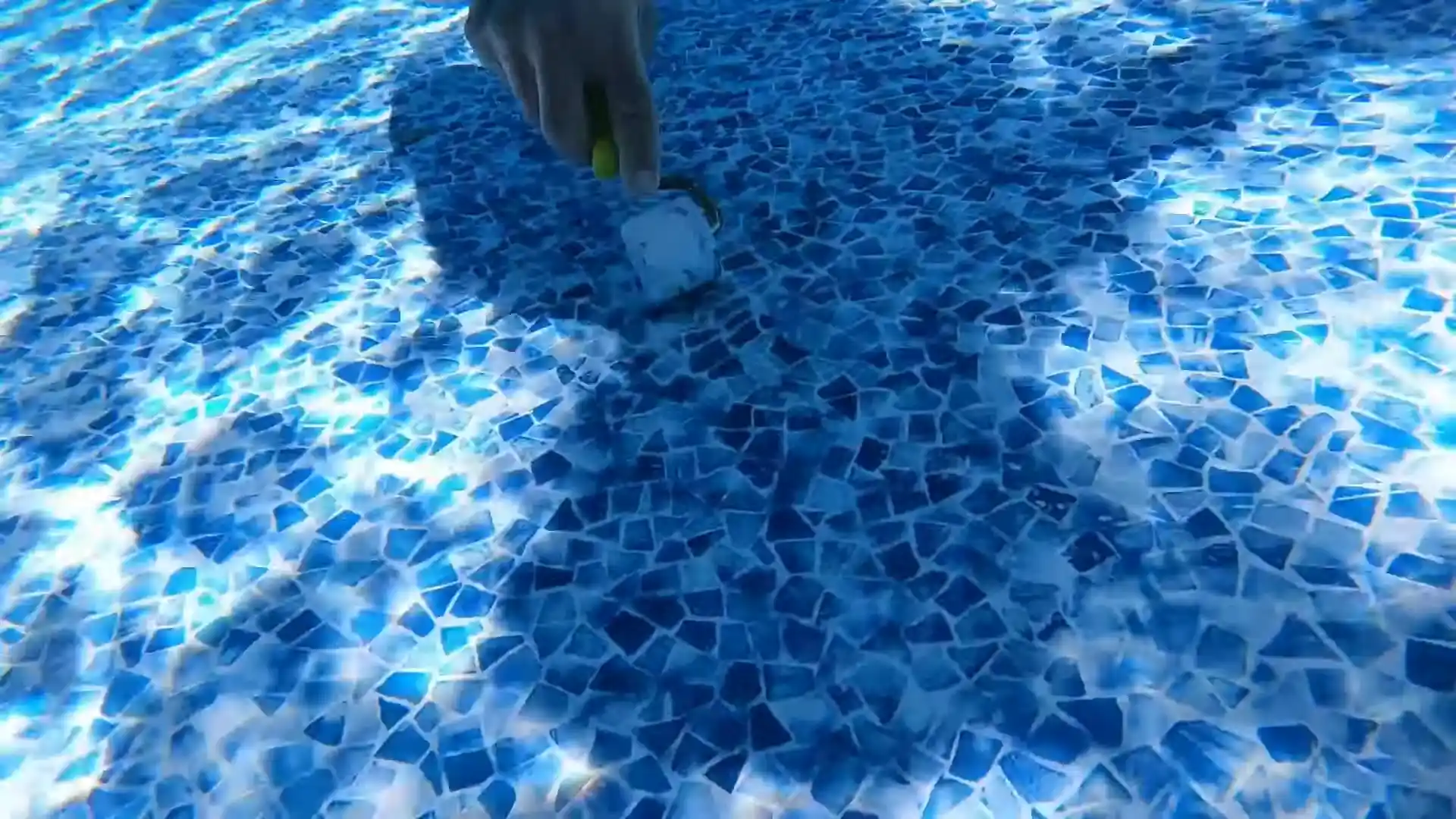
Evaporation or a real leak
July highs near 97 degrees pull a surprising amount of water out of an open pool, so a falling level is not proof of a leak on its own. We start with a bucket test to measure evaporation against your actual loss. If the pool is dropping faster than a reference bucket sitting on the step, the extra loss is going somewhere it should not.
From there the pattern tells a story. A pool that only loses water when the equipment runs points at the pressure side of the plumbing. A pool that drops while it sits still points at the shell, the liner, or a fitting.
How we find a pool leak
Pool detection uses its own toolkit. We pressure-test the lines to separate a plumbing leak from a structural one. For the shell, dye testing at suspected cracks and fittings shows exactly where water pulls through. Listening equipment picks up the sound of water escaping a pressurized return or suction line underground, and a careful check of the skimmer, light niche, and main drain covers the usual suspects.
Across the 2000s and 2010s neighborhoods like Mayfield Ranch and Behrens Ranch, backyard pools are common, and many share the same handful of failure points we know to check first.
We test in a set order so nothing gets skipped. The shell and fittings come first, then the skimmer and returns, then the underground lines under pressure. That sequence rules out the cheap fixes before we ever talk about digging near a deck. If your level keeps dropping and you want it pinned to a cause, call (512) 737-6168.
Repairs above and below the waterline
The fix depends on where the water leaves. A cracked or loose fitting gets resealed or replaced. A leaking return or suction line can often be repaired at the break, or rerouted if it runs under a deck. Shell and liner cracks get patched with the right material for the surface. We match the repair to the source we proved with testing, rather than guessing and hoping the level holds.
Round Rock runs a reuse water program that irrigates places like Old Settlers Park, a reminder that water here is worth keeping. A repaired pool stops feeding both your bill and the soil under your deck.
Timing the repair matters as much as the method. A small shell crack caught early is a patch, while the same crack left to widen can undermine the surrounding deck. A weeping underground line slowly washes out the base it sits on, which is why a quick test beats waiting out the summer. We fix it at the stage you are in, not the worse one it grows into.
Catching pool leaks before they spike a bill
A pool leak is sneaky because the auto-fill hides it. The level looks fine while the line quietly tops it off, and the first real clue is a water bill that jumped in a month you did not change anything. Watching the auto-fill is the simplest early warning. If it runs far more than usual, something is leaving the pool.
A few habits help you catch it sooner. Mark the waterline and check it after a still day with the pump off. Watch for a soft or eroded spot in the deck or yard near the equipment pad, which can mean an underground line is weeping. Keep an eye on the ground around the pad after backwashing. If the numbers or the ground look off, call (512) 737-6168 and we can run a proper test before the loss climbs.
Not sure what you are dealing with? Talk it through.
📞 (512) 737-6168Frequently Asked Questions
How much water loss means I have a leak?
More than about a quarter inch a day, beyond what a bucket test shows for evaporation, usually points to a leak. We measure it rather than guess.
Does the leak being worse with the pump on tell you anything?
Yes. Loss that increases when the equipment runs points at the pressure-side plumbing. Loss while the pool sits still points at the shell or a fitting.
Can you find a leak without draining the pool?
Usually. Dye testing, pressure testing, and listening equipment locate most leaks with the pool full. Draining is a last resort, not a starting point.
Related leak services
A whole-home starting point when the source is not obvious.
View → SlabWarm floors and a creeping meter on Round Rock slab foundations.
View → Water HeaterScale, valves, and tanks that have reached the end.
View →Browse all 54 services Areas we cover · Leak guides on the blog