
Wall Leak Detection and Repair in Round Rock, TX
A leak inside a wall hides in the cavity between the studs, weeping down the drywall until paint bubbles or a baseboard turns soft. The pipe could be anywhere on that wall, so the job is narrowing it before cutting.
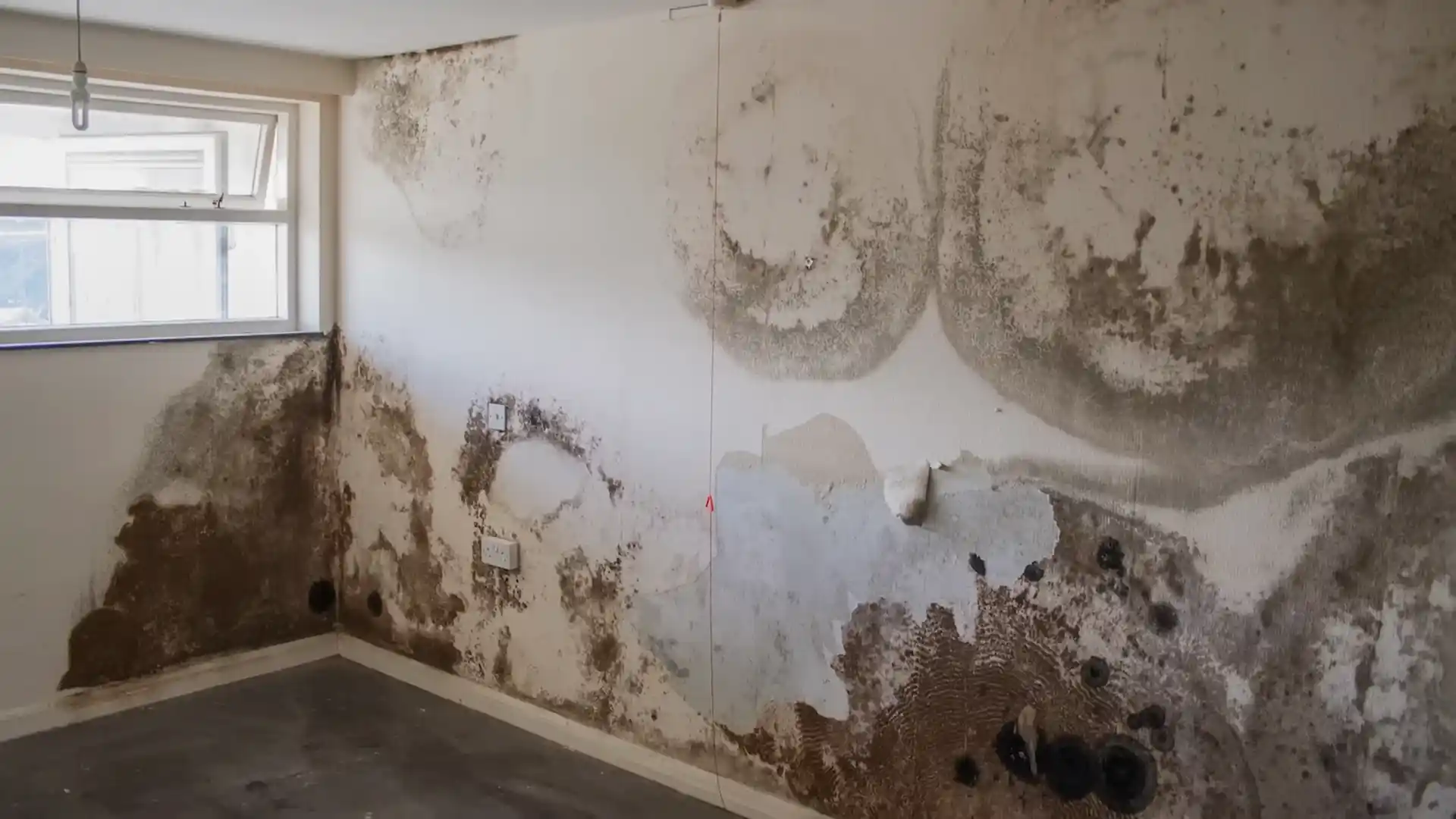
How a wall leak shows itself
Walls hide their leaks well. The first signs are subtle: paint that blisters or bubbles, a patch of drywall that feels cool and damp, a musty smell near the floor, or a baseboard that has darkened and gone soft. Because water runs down inside the cavity, the damage often shows near the bottom of the wall while the leak sits higher up.
In Cat Hollow homes from the 1980s and 1990s, the supply lines running through interior walls are the usual suspects, after decades of hard water working on the copper.
Which wall, and which line
Not every wall carries water. We start by identifying the wet wall and what runs through it, since a wall shared with a bathroom, kitchen, or laundry is far more likely to hide a pipe. A pressurized supply leak weeps constantly and moves the meter. A drain leak inside a wall only shows when the fixture above runs. Sorting that out tells us whether to chase the supply or the drain. An exterior wall adds a suspect, since a hose bib or an irrigation line passing through it can weep behind the brick.
If a wall in your home stays damp or the paint keeps bubbling, call (512) 737-6168 and we can find what is behind it.
Locating before cutting
The whole point is to open one neat hole, not explore the wall. Acoustic sensors pick up the hiss of a pressurized line escaping inside the cavity. Thermal imaging reads the temperature change a wet stud leaves on the surface, and a moisture meter shows how far the water has traveled. We pin the spot, then cut a small access window right at it. Guesswork is what turns a small leak into a wall full of patches.
Repairing the line and closing up
Once the failure is exposed, the fix matches the pipe. A pinhole or split in copper supply gets a section repair, a corroded joint is remade, and a cracked drain line is cut out and rejoined. Where the run has failed before, a reroute through an accessible path beats patching tired pipe. We confirm the repair holds under pressure before closing the access, so the wall does not have to come back open.
Where water has soaked the drywall or insulation, we point it out so it can dry and be patched properly.
We also keep the access neat on purpose. A clean, well-placed cut in an inconspicuous spot is far easier to patch than a wall opened in several places by guesswork. That is the real payoff of locating first: the repair to the pipe is small, and the repair to the wall is smaller still.
Why hard water drives wall leaks here
The pipes inside Round Rock walls face the same hard water as the rest of the house. At about 15.2 grains per gallon, the supply scales and pits copper from the inside, and the leaks that follow often start mid-run inside a wall where you cannot see them. Steady household pressure pushes on every weak point around the clock. A pinhole inside a wall can weep for weeks before the paint finally blisters and gives it away. None of that is visible until the drywall tells on it, which is why locating precisely matters so much. Call (512) 737-6168 if a wall is showing the signs.
Not sure what you are dealing with? Talk it through.
📞 (512) 737-6168Frequently Asked Questions
How do you find a leak inside a wall?
Acoustic sensors hear pressurized water escaping in the cavity, thermal imaging reads the wet area, and a moisture meter maps it. We open only the spot we pinpoint.
Why is the bottom of the wall wet but not the top?
Water runs down inside the cavity before it shows, so the damage often appears near the floor while the actual leak sits higher up the pipe. We trace it to the source.
Can you fix it without opening the whole wall?
Yes. Locating first means we cut one small access window at the leak instead of opening the wall to search. The repair closes up neatly afterward.
Related leak services
Brown rings and sagging drywall fed by a leak from above.
View → PipeHidden leaks in the supply lines running through walls and ceilings.
View → PinholeHard-water pitting in copper, common in 1980s and 1990s homes.
View →Browse all 54 services Areas we cover · Leak guides on the blog