
Electronic Leak Detection in Round Rock, TX
Electronic detection covers two related tools: an electromagnetic transmitter that maps where a buried pipe runs, and a digital correlator that calculates where along that path the leak sits. Both steps belong before any ground opens.
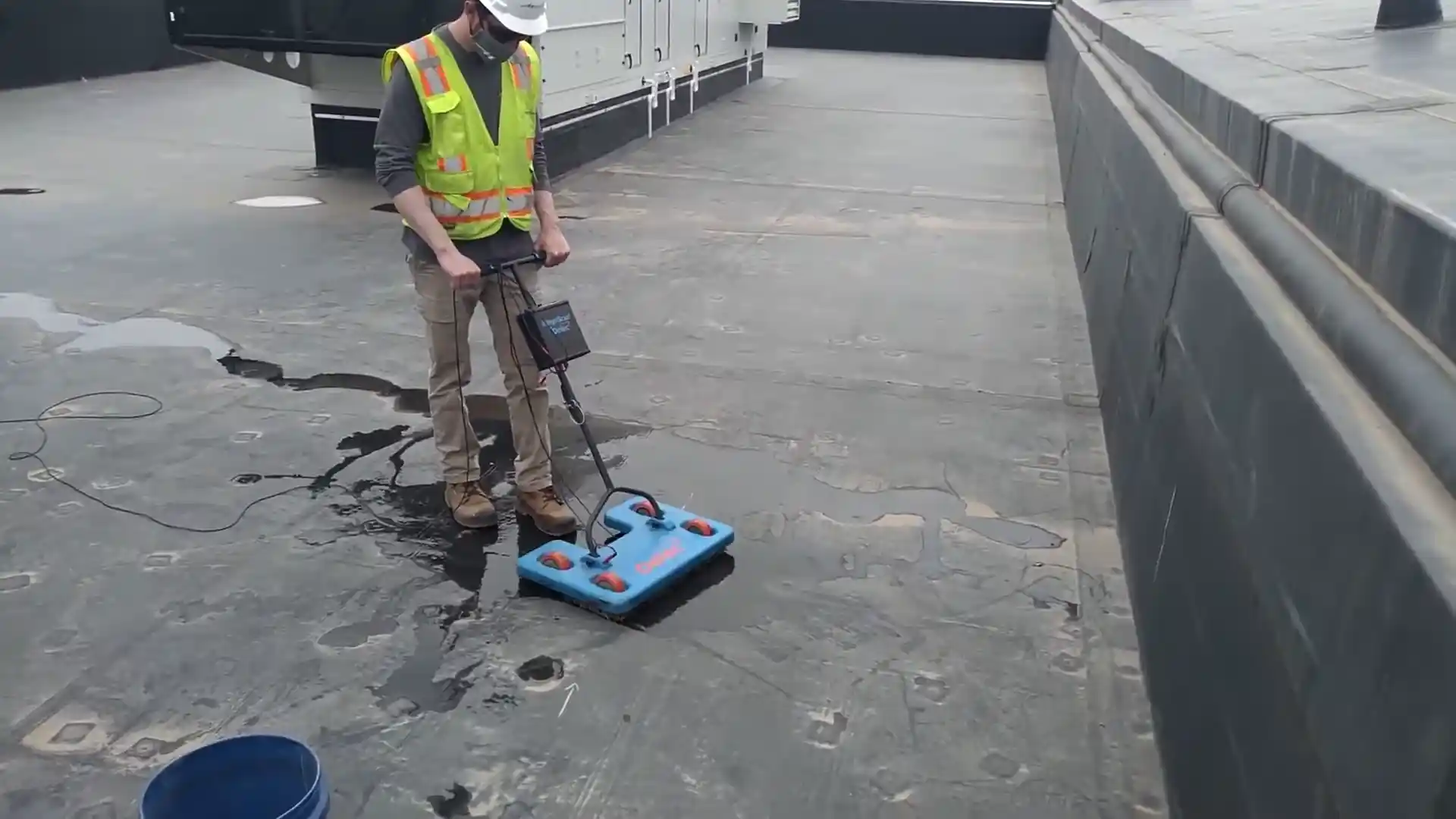
Tracing the pipe before anything else
A buried pipe nobody has mapped creates a guessing problem before the leak investigation begins. Knowing a break is somewhere on the line is not enough; we need the pipe path first. A locate accurate to two feet still sends a shovel in the wrong direction if the pipe is three feet to the left. An electromagnetic transmitter connected to an accessible fitting sends a radio-frequency signal through the pipe that a surface receiver traces above ground, producing a reliable path to work from.
In Vista Oaks and other Round Rock neighborhoods from the early 2000s, irrigation and supply runs rarely followed the straight lines on any original plan, and no as-built drawings exist for most of them. EM tracing builds that map on the day of the job.
How a digital correlator triangulates
Once the pipe path is established, a correlator finds the leak along it. Two acoustic sensors attach to the pipe at accessible points bracketing the suspected section. Both feed a correlator unit that records pipe vibration from each attachment point, then computes the cross-correlation between the signals. Because a leak generates vibration that reaches one sensor slightly before the other, that time lag lets the correlator calculate exactly where between the two points the source sits. The output is a distance, not a zone.
If a leak has been confirmed on a run but the location is unclear, call (512) 737-6168 and a correlation can often resolve it the same day.
Electronic detection on non-metallic pipe
The electromagnetic tracer works best on conductive metal. For PVC, HDPE, or polyethylene runs, we thread a conductive trace wire through a cleanout or drop a sonde to carry the EM signal. Correlation still works on these materials as long as the line is pressurized and sensors can couple to fittings on each side. Knowing the pipe material before deploying saves setup time and ensures the right configuration from the start.
When electronic methods lead the investigation
Electronic detection is the right first move when a supply or irrigation line has a confirmed meter loss but the pipe path is unmapped. If the yard offers no surface clue about where to start listening, tracing the pipe first beats grid-walking an unknown lot. Rather than grid-walking an unknown lot with a ground microphone, we trace the pipe route first and then correlate along the confirmed path. A five-minute EM trace at the start routinely saves an hour of uncertain acoustic walking later, and it produces a pipe map the property owner keeps.
The pipe map you take away
After locating and repairing a buried break, we can provide the traced pipe path from the EM survey as a working diagram. That record is useful for future plumbing work, landscaping plans, and property files.
A homeowner who knows exactly where the irrigation mainline and supply laterals run is far better positioned to avoid expensive accidental cuts during fence posts, deck footings, or new garden beds. The diagram also travels with the house, since future owners and contractors benefit from knowing the layout that predates their work. A plumber, a landscape contractor, and a building inspector all have a legitimate use for that record once the job is done. Call (512) 737-6168 and we can trace and locate in one visit.
Not sure what you are dealing with? Talk it through.
📞 (512) 737-6168Frequently Asked Questions
What is the difference between pipe tracing and correlation?
Pipe tracing uses an EM signal to map where the pipe runs underground. Correlation uses two acoustic sensors and time-delay math to calculate where along that known path the leak sits. Both steps are typically used in sequence.
Can you correlate a plastic irrigation line?
Yes. We use a trace wire for the EM path and couple acoustic sensors to fittings on each side. The correlation math works as long as the pipe is pressurized and we have two access points.
Will I get a record of where the pipes run?
Yes. We provide the mapped pipe path from the EM trace as a working diagram of the underground layout for future reference.
Related leak services
Wet patches and a moving meter from buried lines in the yard.
View → IrrigationUnderground mainline, zone valve, and lateral leaks in the irrigation system.
View → Acoustic DetectionGround microphones follow the vibration of escaping water to the source.
View →Browse all 54 services Areas we cover · Leak guides on the blog