
Yard Leak Detection and Repair in Round Rock, TX
A wet patch in the yard is a symptom, not a diagnosis. It could be the irrigation system, the main water line, a sewer lateral, or something settling. Reading the pattern tells us which buried system to chase before we dig anything.
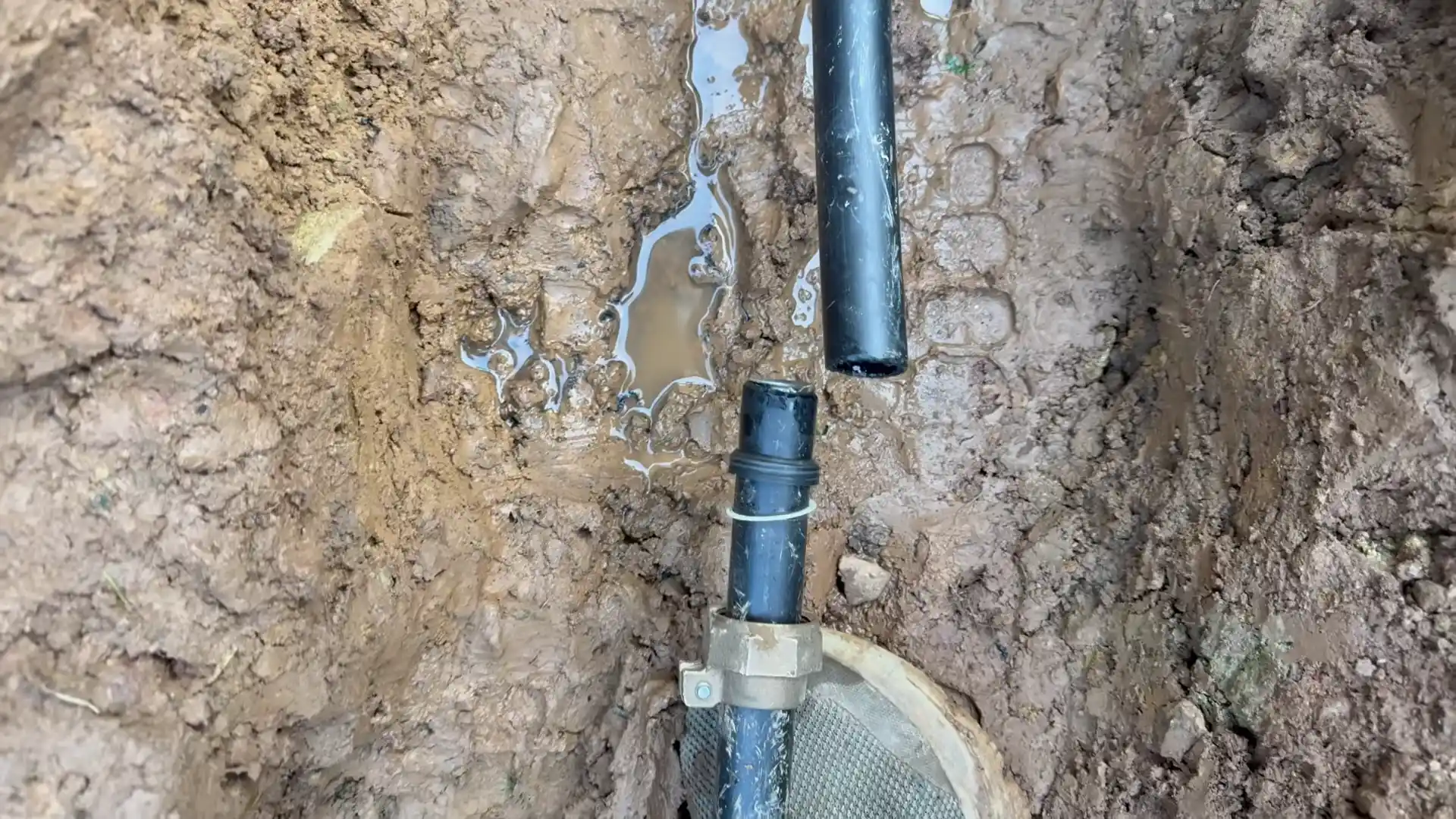
What the yard is telling you
Different buried leaks leave different ground patterns. A perfectly circular wet spot that stays wet regardless of watering usually marks an irrigation lateral running below. A strip of unusually lush or dead grass along a line from the meter to the house follows the main water line. A sinkhole or a patch of soil that keeps settling points at a drain or sewer. And a wet patch that varies with rainfall but never fully dries points at natural drainage before any pipe. Reading the shape and location of the symptom is the first diagnostic step.
On the Hill Country limestone west side of Round Rock, water moves through the rock fast and often surfaces far from its source. A wet corner of the yard may come from a pipe two properties over and downhill.
The meter test
Before any other test, the meter tells us whether a pressurized line is losing water. We shut off every fixture and appliance in the house and watch the dial for movement. A turning meter confirms a pressurized supply leak somewhere between the main and the fixtures. A still meter points at irrigation on a timer, a drain, or something else entirely. That single check separates a plumbing leak from a drainage problem and tells us which direction to go.
If your yard has a wet spot and your meter is moving, call (512) 737-6168 and we can trace it.
Tracing the buried source
Once we know which system is losing water, we locate the break. Acoustic listening follows the sound of escaping pressure in the ground. Thermal imaging reads the cooler wet soil against the drier surrounding ground. A moisture probe checks depth and maps how far the wet zone extends. Small tools, big difference. On the clay east side of Round Rock the water tends to pool above the impermeable layer and spread, while on the rocky west side it channels along cracks in the limestone and surfaces unpredictably. We account for that when choosing the right tool.
Repairs that match the pipe
The repair fits the pipe we find. A main water line break is excavated at the confirmed location, cut out, and replaced with pipe and fittings rated for the pressure. An irrigation lateral break gets the same treatment at a shallower depth. We restore the trench in layers and tamp it properly so the yard does not sink again after the first rain. Where the line has failed because of age rather than a single event, we will lay out the tradeoffs of patching versus replacing the run.
Lake Forest Round Rock, where irrigation systems serve every lot, is a common location for buried lateral breaks in the established turf.
One more thing the yard can hide
A sewer lateral leak in the yard does not show on the water meter and does not mean a pressurized pipe has failed. Waste water seeping from a cracked lateral can surface as a soft, slightly odorous wet patch, often lush in color from the nutrients. It is worth distinguishing from a supply leak before digging, because the repair is completely different. We can confirm the type with a camera down the line and a dye test if the pattern looks like a drain rather than a supply. Call (512) 737-6168 and we can read the yard properly.
Not sure what you are dealing with? Talk it through.
📞 (512) 737-6168Frequently Asked Questions
How do I tell a water line leak from an irrigation leak in the yard?
The meter test sorts it quickly. A turning meter with everything off confirms a pressurized supply leak, usually the water line. A still meter points at irrigation on a schedule, drainage, or a sewer.
Can water from a buried leak surface far from where the pipe broke?
Yes, especially on Round Rock's limestone west side. Water travels through rock and channels along cracks, sometimes surfacing a property or two downhill from the actual break.
Why does my yard have a sinkhole near the street?
Sinkholes usually point at a drain or sewer lateral failure rather than a supply line. A collapsed pipe lets the soil wash in over time. We camera the line to confirm before opening anything.
Related leak services
Underground mainline, zone valve, and lateral leaks in the irrigation system.
View → UndergroundWet patches and a moving meter from buried lines in the yard.
View → Water LinePressure drops and high bills from the main service line.
View →Browse all 54 services Areas we cover · Leak guides on the blog