
Trenchless Leak Repair in Round Rock, TX
Trenchless repair fixes a pipe by working through small access points rather than excavating the full run. For a slab pipe, a buried yard line, or an aging lateral that has failed, trenchless methods can restore or replace the line without the disruption and cost of full excavation.
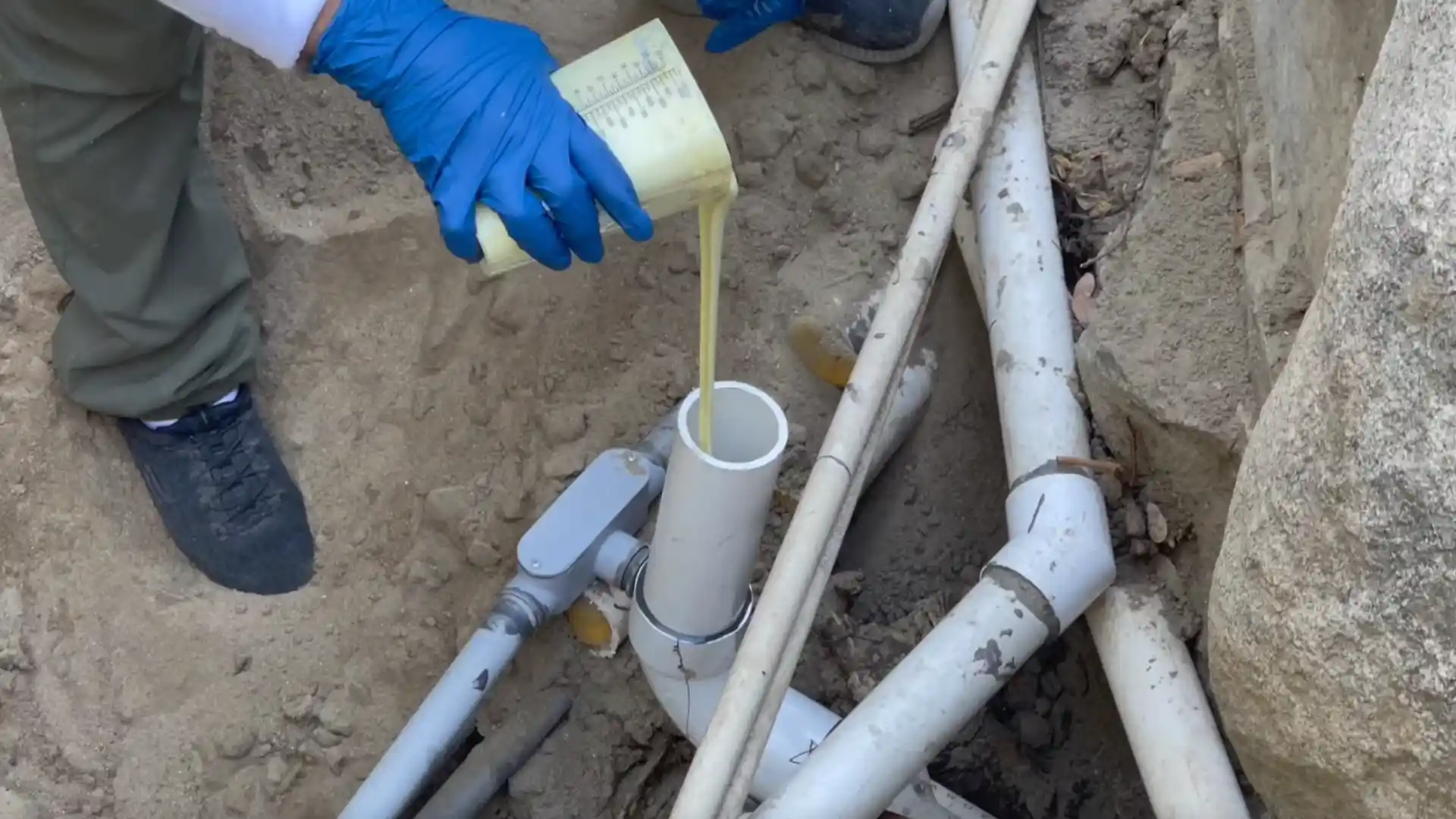
The three main trenchless approaches
Trenchless repair divides into three distinct methods. Pipe lining, or CIPP (cured-in-place pipe), pulls a resin-saturated flexible sleeve through the existing pipe and cures it in place, creating a smooth new pipe inside the old one. Pipe bursting feeds a bursting head through the failed pipe from a small entry pit, fracturing the old pipe outward while drawing new pipe in behind it. And a minimal-access spot repair digs one small pit at the confirmed location, repairs or replaces the failed section, and closes up. Each technique fits a different situation.
For older homes near Old Town Round Rock, where cast-iron or galvanized supply lines have been failing section by section for years, trenchless options are often what makes the full-repair economics work.
CIPP pipe lining
Pipe lining works best for sewer laterals, drain lines, and buried conduit that are structurally intact enough to accept a liner but have cracks, displaced joints, or corroded walls that leak or restrict flow. A liner is pulled or inverted through the bore and cured with heat or UV light, bonding to the inner wall and sealing every fissure and joint along the run. The finished liner carries a marginally smaller bore than the original conduit but is smooth, non-corroding, and rated for decades of service. No excavation of the pipe run is needed; access comes from the ends of the section.
If a sewer lateral has multiple crack points across its length, call (512) 737-6168 and lining the whole run is often cheaper than opening it in several spots.
Pipe bursting and spot repair
Pipe bursting is used when the old pipe needs full replacement rather than lining, such as when the pipe has collapsed or when a larger bore is needed. A cable is run through the old pipe from one access pit to another, and the bursting head is pulled through, fracturing the old material outward while pulling new HDPE pipe in from behind. The result is a fully renewed pipe without trenching the ground above. Spot repair is simpler: one targeted excavation at the confirmed break location, section replacement, and backfill. It is the right choice when the rest of the run is sound and only one section has failed.
Slab pipe rerouting
For supply lines embedded in a Round Rock slab, the trenchless alternative to breaking concrete is a reroute. New PEX or copper runs are installed above the slab through the walls, attic, or crawl space to each fixture, and the old buried pipes are left in place. The slab stays intact, the new lines are fully accessible for future service, and the pipe material is modern and appropriate for the hard water here. A reroute adds a day to the project compared to a direct slab repair, but it eliminates the cost of concrete work and tile restoration entirely, and it installs better pipe along the way.
Choosing between trenchless and traditional
Trenchless is not always the correct path, and we say so plainly when it is not. A single small slab leak in otherwise sound copper may cost less as a direct core repair than as a reroute. A lateral with only one crack point repairs cleanly with a spot excavation. Lining a pipe that is too deformed to accept a liner creates a problem rather than solving one. The honest comparison between trenchless and traditional approaches depends on the pipe condition, the length of the affected run, and the surface restoration costs at stake. We present both options with the real numbers before any work starts. Call (512) 737-6168 to talk through which approach fits your situation.
Not sure what you are dealing with? Talk it through.
📞 (512) 737-6168Frequently Asked Questions
What is CIPP pipe lining?
CIPP stands for cured-in-place pipe. A resin-saturated liner is pulled through the existing pipe and cured so it bonds to the inner wall, creating a smooth new pipe inside the old one without excavating the run.
Can you reroute a slab supply line instead of breaking concrete?
Yes. New PEX or copper lines are run above the slab through walls, attic, or crawl space to each fixture. The old buried lines are abandoned in place. The slab stays intact and the new lines are accessible for future service.
Is trenchless always cheaper than traditional repair?
Not always. A single small slab repair or a spot excavation on a mostly sound line can cost less than a lining or reroute. We present both options with real numbers before any work starts.
Related leak services
Warm floors and a creeping meter on Round Rock slab foundations.
View → UndergroundWet patches and a moving meter from buried lines in the yard.
View → PipeHidden leaks in the supply lines running through walls and ceilings.
View →Browse all 54 services Areas we cover · Leak guides on the blog