
PVC Pipe Leak Detection and Repair in Round Rock, TX
PVC rarely corrodes the way metal does. It fails at the joints and the cracks instead, and a leak there can run quietly into a slab or a wall before it ever shows.
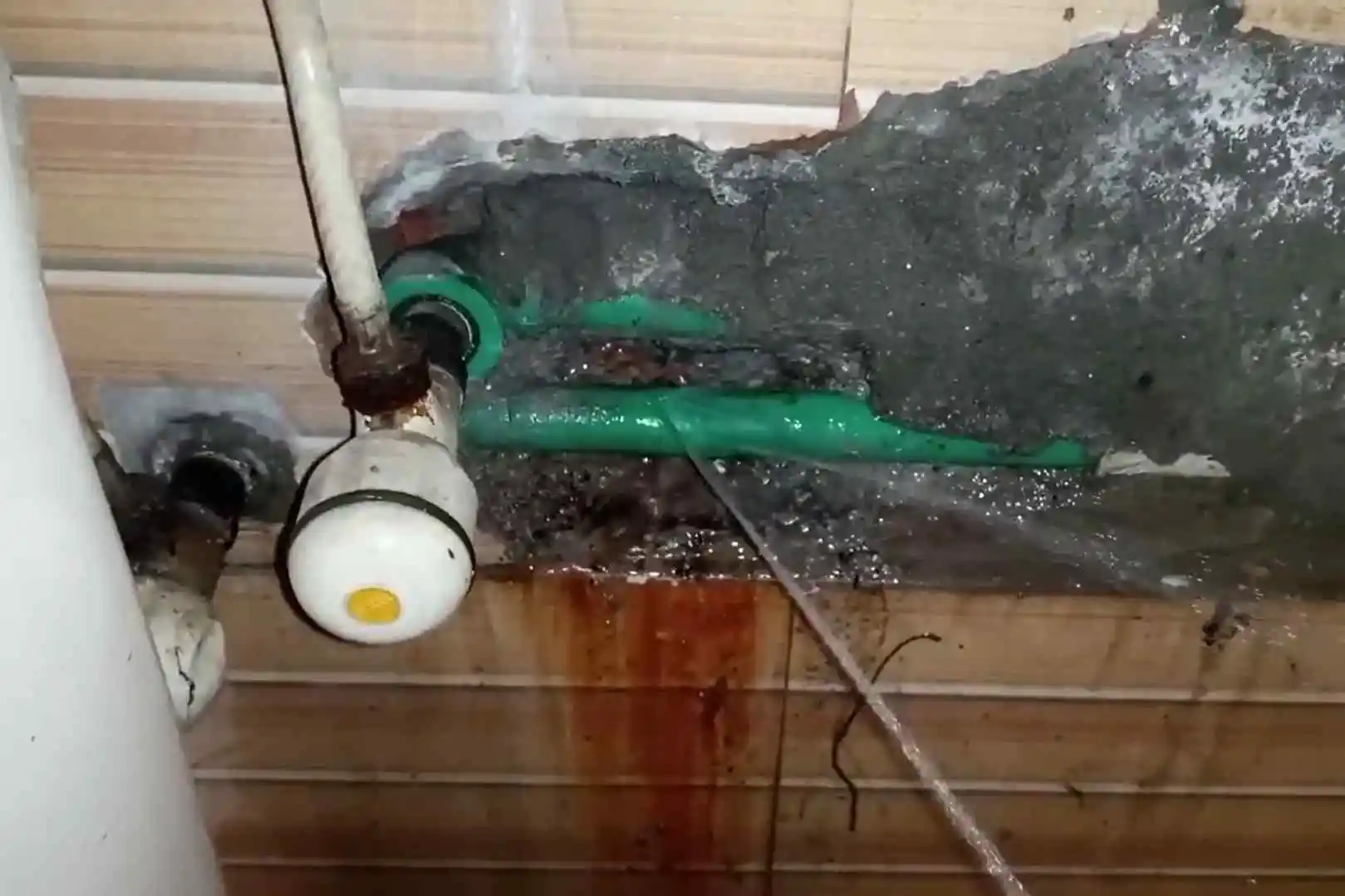
Where PVC gives way
Plastic pipe has its own weak points. Most leaks start at a solvent-weld joint that was rushed, under-cemented, or stressed by movement, so the seam separates and weeps. PVC and CPVC can also crack from a hard freeze, from ground movement under a slab, or from age and sun exposure on an outdoor run. The break is often a thin split rather than a clean hole, which is why it can drip for a long time unnoticed. By the time it shows, the water has usually traveled well past the actual crack.
In Teravista and the rest of the 2000s build-out, PVC drain lines and CPVC supply are common, and their joints are now old enough to start letting go.
Temperature is the other stress on plastic. CPVC carries hot water and expands and contracts with every cycle, which slowly works on a joint that was not cemented cleanly. Outdoors, sun exposure makes older PVC brittle, so a line that flexed fine for years can crack at a bump or a freeze. Where the pipe lives shapes how it failed.
Finding a PVC leak
Plastic does not always announce itself loudly, so we combine methods. For a pressurized CPVC supply line, acoustic listening and a pressure test pinpoint the loss. For a PVC drain, which only leaks when water runs, we put a camera down the line and add a dye test to confirm where it escapes. Thermal imaging helps trace water that has tracked away from a cracked joint behind a wall or under a slab.
If a drain only leaks when you use it, or a wall stays damp near a plastic line, call (512) 737-6168 and we can pin it down.
Repairing PVC the right way
A cracked section or a bad joint is cut out and replaced with properly cemented pipe, cured before the water goes back on. Rushing the solvent weld is what caused many of these leaks in the first place, so we do not rush ours. For a drain line failing at multiple joints, replacing the run beats chasing each seam. Under a slab, we locate precisely and open one access point rather than breaking concrete on a guess.
PVC, drains, and the Round Rock build-out
The newer half of Round Rock runs largely on plastic. PVC drains carry waste to the Brushy Creek Regional system, and CPVC supply feeds many 2000s and 2010s homes. That plastic does not pit like copper, which is good, but its joints and its brittleness in cold or shifting ground are the trade-off. Knowing which line is plastic and how it was assembled tells us where to look first.
Why a slow PVC leak goes unnoticed
The trouble with a cracked PVC joint is how quietly it leaks. The split is often hairline, the water seeps rather than sprays, and on a drain it only runs when you use the fixture. Weeks can pass while moisture tracks into a wall cavity or under a slab, softening drywall or feeding the soil before anything shows on the surface.
That is why we test rather than wait. A camera on a drain line and a dye test confirm a seeping joint, and thermal imaging follows water that has traveled from the break. Catching a plastic leak early keeps it a clean joint repair instead of a flooring or framing problem. If a plastic line stays damp or a drain leaks only in use, call (512) 737-6168.
Not sure what you are dealing with? Talk it through.
📞 (512) 737-6168Frequently Asked Questions
Why does PVC leak at the joints?
Most PVC leaks come from a solvent-weld joint that was under-cemented or stressed by movement. The seam separates and weeps rather than the pipe wall failing.
Can PVC crack from cold in Texas?
Yes. A hard freeze can split PVC and CPVC, especially on outdoor or unconditioned runs. The crack is often thin, so it can leak slowly before you notice.
Is a PVC drain leak harder to find than a supply leak?
It can be, because a drain only leaks when water runs. We use a camera and a dye test for drains, rather than the pressure tools used on supply lines.
Related leak services
Hidden leaks in the supply lines running through walls and ceilings.
View → Sewer LineSoggy yards and sewer odor from aging cast iron laterals.
View → PlumbingA whole-home starting point when the source is not obvious.
View →Browse all 54 services Areas we cover · Leak guides on the blog