
Inground Pool Leak Detection and Repair in Round Rock, TX
An inground pool hides two very different leak paths: the shell that holds the water, and the plumbing buried in the ground around it. Telling those apart is the whole job, because they need completely different repairs.
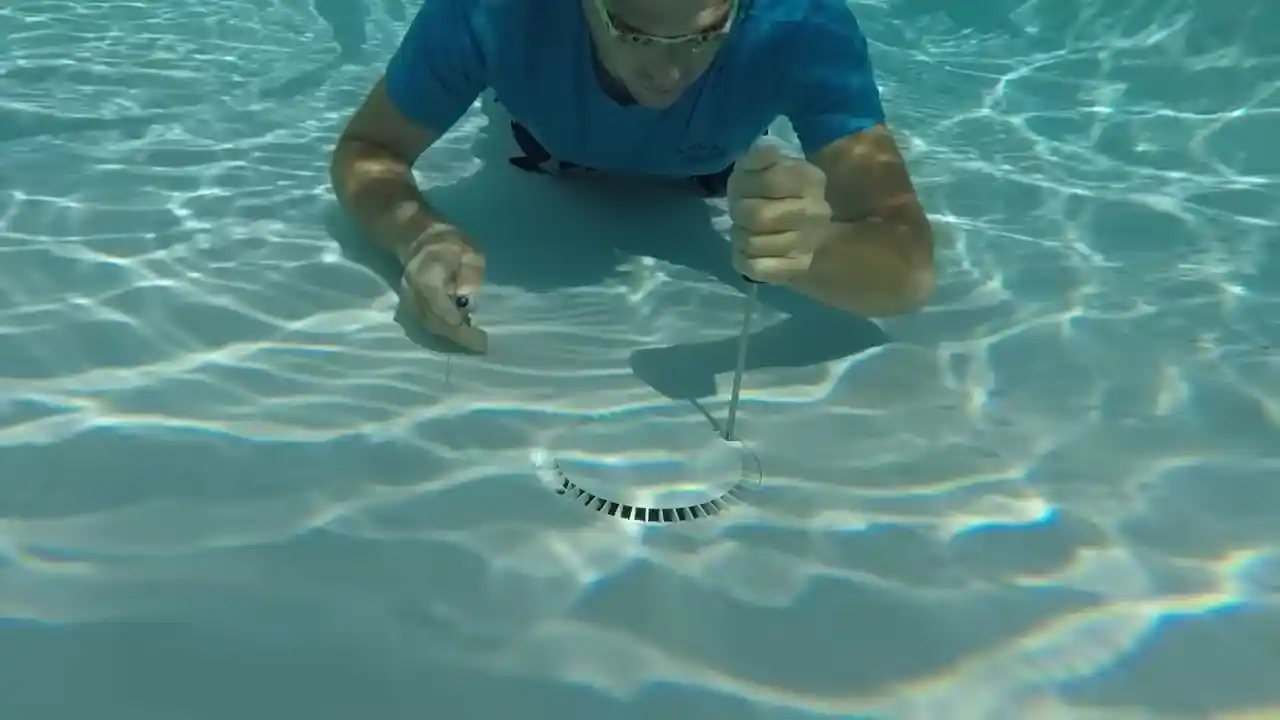
Shell or plumbing, the first fork
An inground pool can leak through its structure or through its pipes. A shell leak comes from a crack in the gunite or fiberglass, a failed tile line, or a worn seal at the skimmer throat, the light niche, or a return. A plumbing leak comes from the suction and return lines or the main drain run buried in the ground, often out at the equipment pad or along the trench to it. We separate the two before doing anything else.
In Teravista and Paloma Lake, where backyard pools went in with the 2000s build-out, both the shell seals and the buried lines are now old enough to start failing.
Isolating where the water goes
The classic first step is simple. We watch the loss with the equipment running and again with it off. A leak that worsens when the pump runs points at the pressurized return side, while one that is worse when off points at suction or the shell. A measured bucket comparison separates a true leak from plain Texas evaporation. That tells us whether to test pipes or inspect the shell, so we are not guessing in the wrong place.
If your pool drops faster than evaporation explains, call (512) 737-6168 and we can isolate it.
Pressure testing the buried lines
When the plumbing is the suspect, we pressure-test it directly. Each line is plugged at the pool and at the pad, then pressurized and watched for a drop that proves a break underground. Listening equipment then walks the line to pinpoint the spot, so a buried-pipe leak is located to a small area rather than the whole trench. That precision is what keeps the repair to one neat excavation instead of tearing up the entire pad and deck.
Repairing shell and line leaks
A cracked or worn shell penetration at the skimmer, light, or return gets resealed or rebuilt at the fitting. A structural crack in gunite is routed and sealed with the right pool-grade material. A confirmed break in a buried suction or return line is exposed at the located spot and replaced, then re-tested under pressure before we backfill. We fix the proven leak and verify it holds, rather than resealing every visible joint and hoping.
Where the equipment pad plumbing is corroded throughout, we will lay out repiping the pad against patching one union at a time.
The deck is part of the plan too. Because a buried-line repair means opening the concrete, we locate tightly first so the cut is small and sits where it is easiest to restore. A precise locate is the difference between lifting one section of deck and tearing out half the patio to chase a single pipe across the yard.
Why a hidden pool leak adds up fast
An inground leak is expensive in ways beyond the water bill. A buried line losing water saturates the ground under the deck, which can undermine it and crack the surrounding concrete. Constant make-up water carries the hard minerals here straight onto the equipment, accelerating scale. And the 2026 drought restrictions make a steadily refilling pool both costly and conspicuous. Finding the source early keeps it a targeted repair. Call (512) 737-6168 and we can get to the bottom of it.
Not sure what you are dealing with? Talk it through.
📞 (512) 737-6168Frequently Asked Questions
How do you know if it is the pool shell or the plumbing?
We compare the water loss with the pump running and with it off. Worse while running points at the pressurized lines; worse while off points at suction or the shell. That decides where we test.
Can you find an underground pool pipe leak without digging up everything?
Yes. We pressure-test each line to confirm the break, then use listening equipment to pinpoint it. That locates the spot so we open one small area instead of the whole deck.
How do I tell a leak from evaporation?
A bucket test compares pool loss to evaporation side by side over a day or two. If the pool drops noticeably more than the bucket, it is a real leak, not Texas heat.
Related leak services
Separating a real pool leak from Texas summer evaporation.
View → Above Ground PoolWall, fitting, and seam leaks on above-ground pools.
View → Pool LinerTears, seams, and fitting leaks in a vinyl pool liner.
View →Browse all 54 services Areas we cover · Leak guides on the blog